Eyesight Simulator
What astigmatism looks like
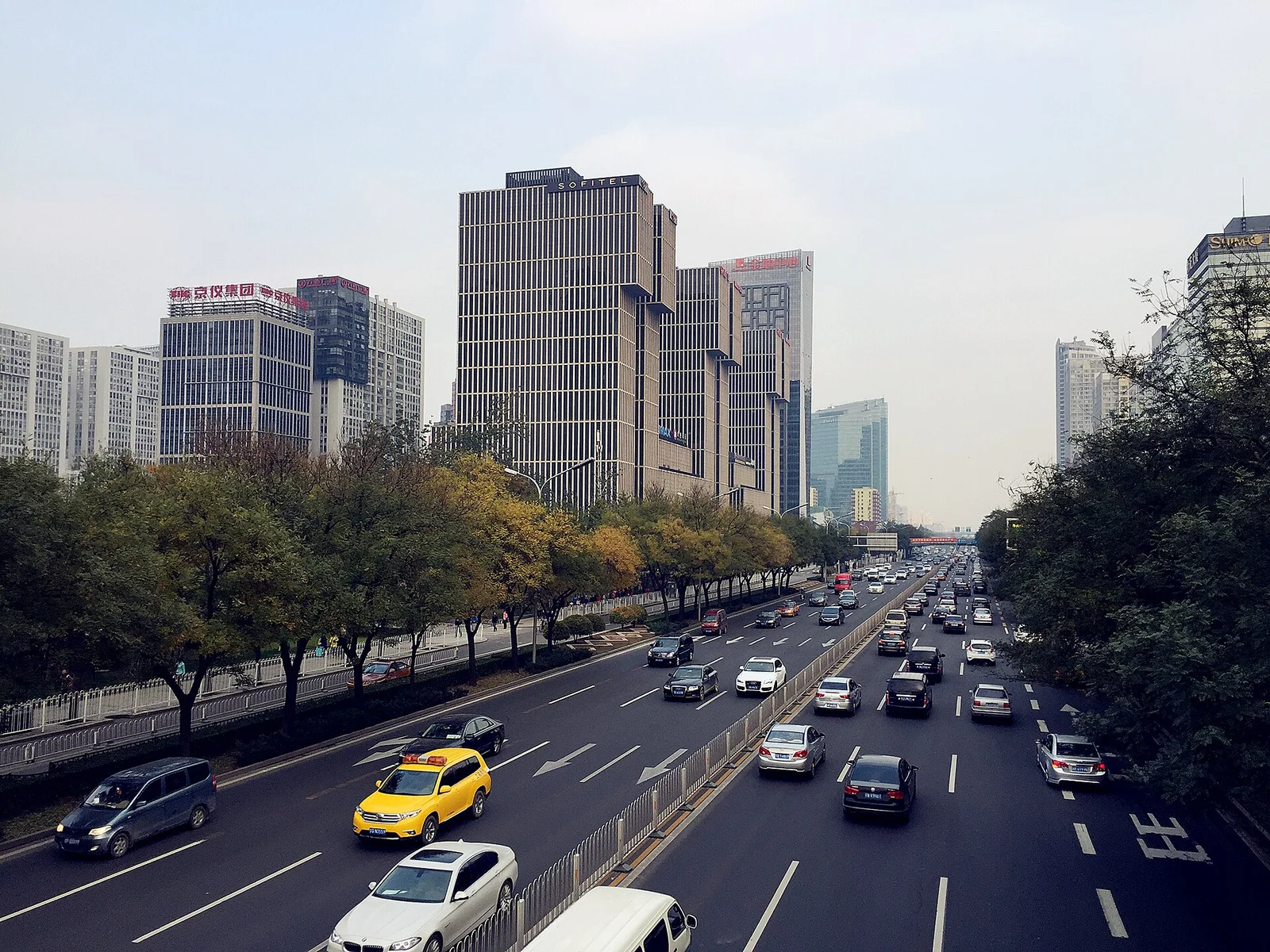
Astigmatism stretches blur in one direction, so lights at night turn into streaks. Drag the divider, or enter the CYL and AXIS from your prescription.
This is only a simulation. It is not an eye test and not a substitute for an eye exam. Please consult an optometrist or ophthalmologist about your eyes.
Prescription
Both eyes the same
← nearsighted / farsighted →
No sphere power; astigmatism can still add blur.
0 = no astigmatism
Astigmatism: 2.00 D difference between the two directions.
The line shows the model’s blur direction at the focal point.
Presets
Pure sphere: sets SPH and clears CYL and ADD.
Advanced
Pupil
Saved only in this browser. Nothing is uploaded.
Drag the picture or use arrow keys to pan; Shift moves farther.
Compare astigmatism axes
CYL −2.00 D at four axes · night street at 2×; look at the lamps.
Swipe for more →
This is only a simulation. It is not an eye test and not a substitute for an eye exam. Please consult an optometrist or ophthalmologist about your eyes.
Compare cylinder powers
Three cylinder powers at the currently shown eye’s axis · night street at 2×; look at the lamps.
Swipe for more →
This is only a simulation. It is not an eye test and not a substitute for an eye exam. Please consult an optometrist or ophthalmologist about your eyes.
Why lights turn into streaks
A normal eye focuses every direction to one point. An eye with astigmatism is shaped a little more like a rugby ball than a football, so it focuses one direction more strongly than the one at right angles to it. A point of light becomes a short line instead of a dot. In daylight it softens edges; at night, when your pupil is wide open and lamps are bright against a dark street, it shows as streaks and halos.
What the numbers change
- CYL sets how much the blur is stretched. −0.50 is a slight smear; −2.00 is a clear streak.
- AXIS sets the direction. Try 180, then 90, then 45: the streaks turn. The direction changes, the amount does not.
- SPH adds round blur on top. Most people with astigmatism are also nearsighted or farsighted; enter both to see your own mix.
Why near is blurry too
Nearsightedness can be cancelled by holding things close. Astigmatism cannot: part of the blur stays at every distance, which is why text can look doubled or smeared even close up. Switch to the reading scene to see it.
How much is a lot?
Small cylinders, up to about −0.75, are very common and often left uncorrected. In a lab study, small amounts of astigmatism cost about twice as much sharpness as plain defocus of the same strength (Atchison and Mathur, 2011), so even a modest cylinder can matter for night driving. Whether yours needs correcting is a question for your optometrist.
What the simulator does not show
Real starbursts around lights also come from the tear film and from small irregularities of the eye that no prescription lists, so your own lights may have more spikes than the streak shown here. The simulation uses the cylinder from your prescription only.
This is a simulation for learning, not an eye test. It cannot tell you whether you have astigmatism. Ask an optometrist or ophthalmologist about your eyes.
Questions
Is astigmatism a disease?
No. It is a focusing error, like nearsightedness, and it is very common. Glasses or toric contact lenses correct it.
Why does my prescription say +1.00 instead of −1.00 for CYL?
Some prescribers write cylinder as a plus number. It describes the same lens; the simulator converts it for you. How to read your eye prescription →
Why is the night scene worse than daytime?
Your pupil opens in the dark, and a wider pupil spreads the same focus error over a larger blur (Watson and Yellott, 2012).
Sources: Atchison DA, Mathur A, Visual acuity with astigmatic blur, Optom Vis Sci 2011, doi:10.1097/OPX.0b013e3182186bc4. Watson AB, Yellott JI, A unified formula for light-adapted pupil size, J Vis 2012, doi:10.1167/12.10.12.