Eyesight Simulator
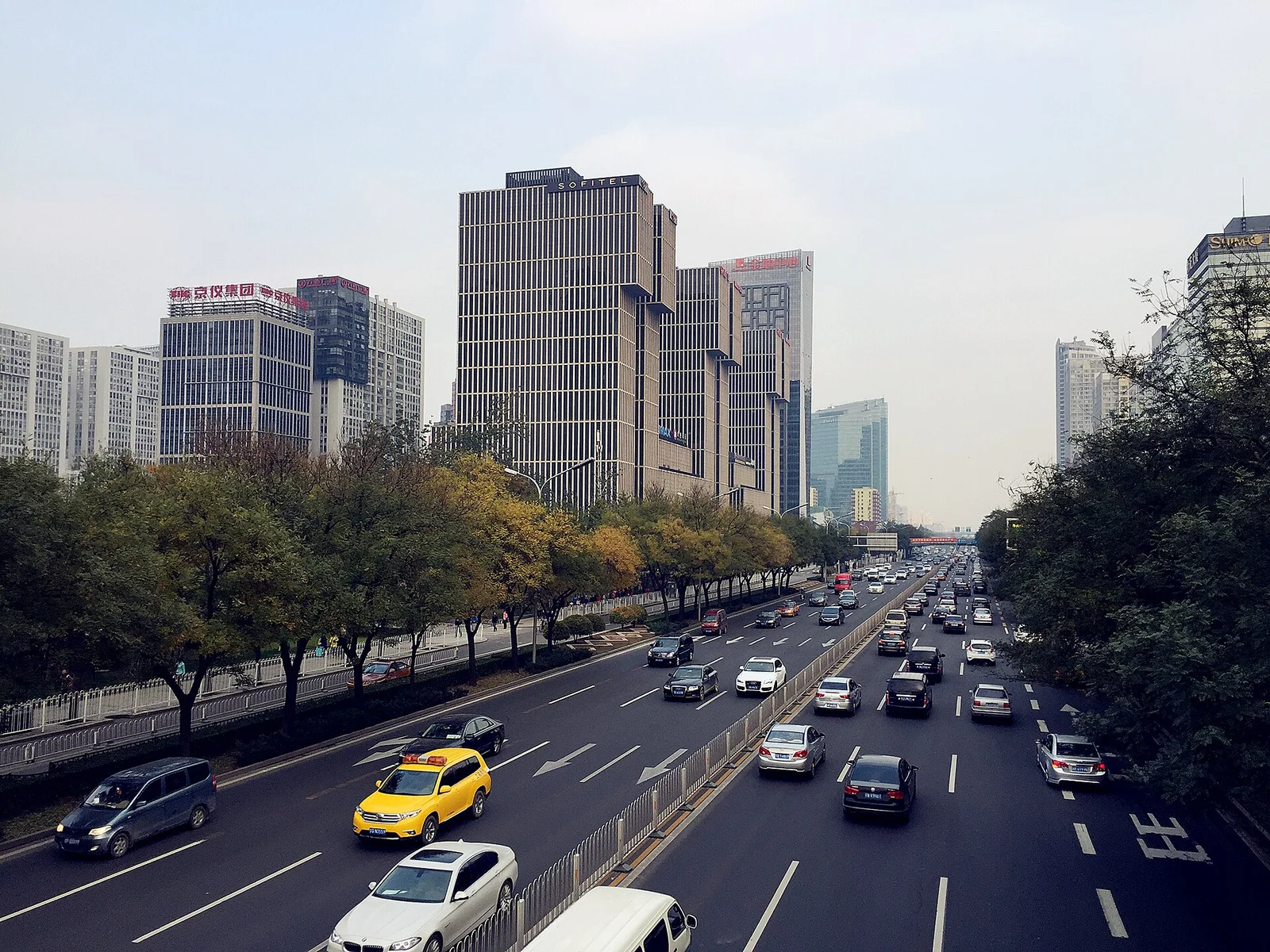
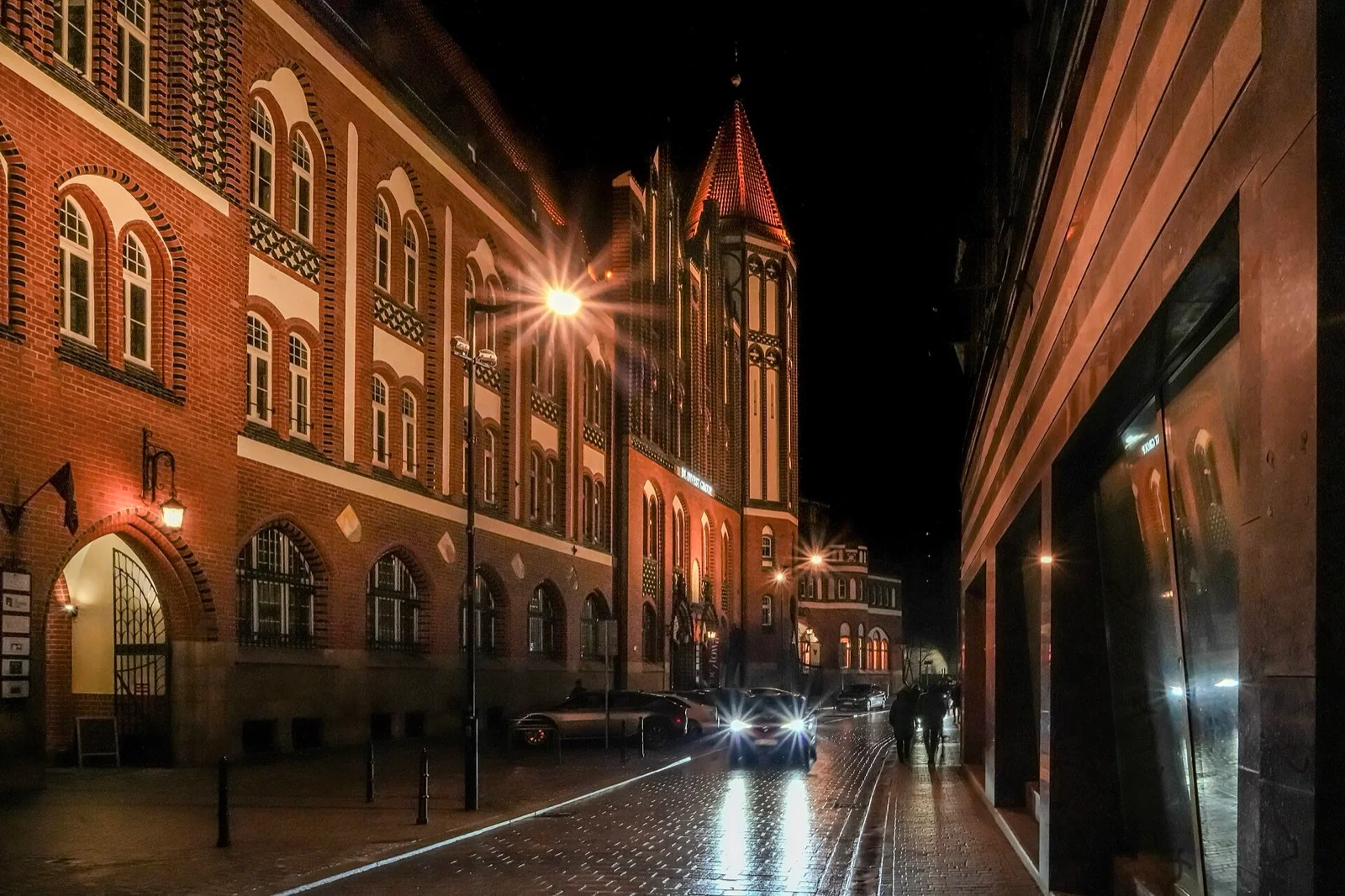
With astigmatism, a bright point such as a headlight, a street lamp or a traffic light can spread into a streak, a smear or a fuzzy star. Pick a strength and a direction above, or enter the CYL and AXIS from your glasses prescription, and drag the divider to compare.
Why lights turn into streaks
An eye with astigmatism focuses one direction more strongly than the direction at right angles to it, so a point of light lands on the back of the eye as a short line instead of a dot. In daylight this mostly softens edges. A light at night is different: it is a tiny, very bright point against a dark background, so the line it turns into is easy to see. For how astigmatism blurs everything else, see the astigmatism simulator.
Why it is worse at night
Your pupil opens wider in the dark. A wider pupil lets the same focusing error spread over a bigger blur (Watson and Yellott, 2012), so a cylinder you hardly notice in daylight can show up as clear streaks around lamps at night. The simulator uses a wider pupil for the night scene for this reason.
Which way the streaks point
The CYL number sets how long the streaks are. The AXIS number sets which way they point. Two people with the same CYL but a different AXIS see streaks pointing in different directions. Your two eyes often have different numbers, so with both eyes open the streaks from each eye may overlap into a cross or a star. Try the direction buttons, or set each eye on its own in the panel.
| CYL | What lights usually look like in the simulator |
|---|---|
| −0.50 | Slightly smeared, easy to miss |
| −1.00 | Lights smear a little in one direction |
| −1.50 | A clear smear in one direction |
| −2.00 | Longer streaks; small lights start to merge |
| −3.00 | Long streaks; small lights blur together |
Astigmatism and night driving
Streaks and glare from oncoming headlights can make it harder to see the road and read signs at night. Small cylinders, up to about −0.75, are very common and often left uncorrected. In a lab study, small amounts of astigmatism cost about twice as much sharpness as plain defocus of the same strength (Atchison and Mathur, 2011), so even a modest cylinder may matter at night. If lights bother you when you drive in the dark, tell your optometrist; glasses or toric contact lenses can correct the cylinder.
Not every starburst is astigmatism
Halos and starbursts around lights can also come from a dry or uneven tear film, a dirty or scratched windshield or glasses lens, cataract, or the healing period after eye surgery. The simulation only shows the streaks that come from the cylinder in a glasses prescription, so your own lights may look different.
This is a simulation for learning, not an eye test. It cannot tell you whether you have astigmatism. Ask an optometrist or ophthalmologist about your eyes.
FAQ
Do lights look like this to everyone?
No. With no astigmatism, or with glasses that correct it, a distant light looks like a small round point, perhaps with a faint glow. Streaks that point one way are a typical sign of uncorrected astigmatism, but only an eye exam can tell what is causing them.
Why do I see a star, not a single line?
Each eye may streak in its own direction, and the tear film and small irregularities of the eye add extra spikes. Together they can look like a star.
Can glasses fix astigmatism lights?
Glasses or toric contact lenses with the right CYL and AXIS usually turn the streaks back into points. If you already wear glasses and still see streaks, your prescription may have changed; an eye exam can check.
Is it safe to drive at night with astigmatism?
Many people with corrected astigmatism drive at night without trouble. If streaks or glare make the road hard to see, talk to your optometrist before driving at night.
Why do my glasses make lights look better?
The cylinder in your lenses cancels the uneven focusing of your eye, so light comes back to one point.
Sources
- Atchison DA, Mathur A. Visual acuity with astigmatic blur. Optom Vis Sci 2011;88(7):E798–E805. doi:10.1097/OPX.0b013e3182186bc4
- Watson AB, Yellott JI. A unified formula for light-adapted pupil size. J Vis 2012;12(10):12. doi:10.1167/12.10.12